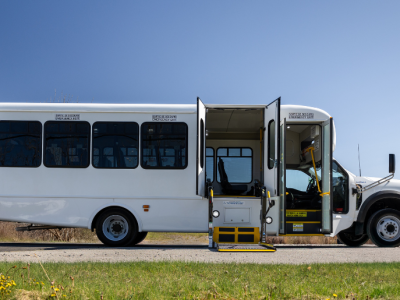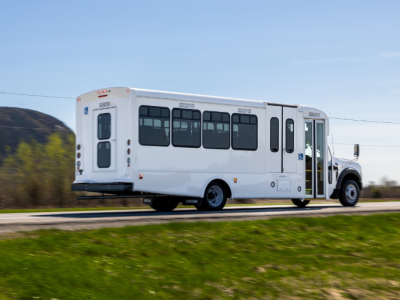



A reliable heating system helps keep passengers comfortable and buses ready for service throughout the winter. Addressing maintenance issues early can help reduce unexpected downtime when temperatures drop. Your bus may have comfortable seating, accessible features and all the amenities passengers need, but if the temperature inside isn’t comfortable, that’s what they’ll remember most. And once winter is in full swing, the last thing any transportation operator wants is a bus out of service because a maintenance issue could have been caught earlier.
A few preventive checks can go a long way toward keeping your heating system running efficiently, your passengers comfortable, and your buses on the road throughout the colder months.
Consistent cabin temperatures are especially important for services transporting seniors, passengers with reduced mobility and people travelling to medical appointments.
Depending on the vehicle’s configuration, the heating system relies on several interconnected components, including coolant, hoses, electrical circuits and controls. When one of these components isn’t functioning properly, it can affect the system’s ability to distribute heat throughout the vehicle. A small coolant leak or deteriorating hose might not seem like an immediate concern, but left unaddressed, these issues can develop into larger problems.
That’s why regular inspections should be part of your fleet’s preventive maintenance routine, not just something you think about when temperatures begin to fall.
Here are four important areas to monitor:
Coolant plays an essential role in transferring heat throughout many bus heating systems. Check coolant levels according to the manufacturer’s recommendations and look for any unexpected decreases that could indicate a potential issue.
Over time, hoses can deteriorate, crack or develop leaks. Regularly inspect hoses, connections and other cooling system components for visible wear, damage or signs of coolant loss. Addressing these issues early can help prevent more serious mechanical problems.
Make sure your heating system is providing consistent warmth throughout the passenger cabin. Pay attention to weak airflow, uneven temperatures or heating that takes longer than usual to reach a comfortable level. These may be signs that your system requires attention.
Your bus’s heating system also relies on electrical circuits and controls. On certain vehicles, these components are housed in the electrical compartment above the driver. If you notice inconsistent heating or control issues, have a qualified technician inspect the system.
At Crestline, we understand that keeping your buses on the road means keeping communities connected. Our Parts and Service team is here to help support your fleet’s maintenance needs throughout the year.
Get ahead of winter maintenance.
Contact Crestline’s Parts and Service team to help keep your fleet ready for the season.
| Cookie | Duration | Description |
|---|---|---|
| cookielawinfo-checkbox-analytics | 11 months | This cookie is set by GDPR Cookie Consent plugin. The cookie is used to store the user consent for the cookies in the category "Analytics". |
| cookielawinfo-checkbox-functional | 11 months | The cookie is set by GDPR cookie consent to record the user consent for the cookies in the category "Functional". |
| cookielawinfo-checkbox-necessary | 11 months | This cookie is set by GDPR Cookie Consent plugin. The cookies is used to store the user consent for the cookies in the category "Necessary". |
| cookielawinfo-checkbox-others | 11 months | This cookie is set by GDPR Cookie Consent plugin. The cookie is used to store the user consent for the cookies in the category "Other. |
| cookielawinfo-checkbox-performance | 11 months | This cookie is set by GDPR Cookie Consent plugin. The cookie is used to store the user consent for the cookies in the category "Performance". |
| viewed_cookie_policy | 11 months | The cookie is set by the GDPR Cookie Consent plugin and is used to store whether or not user has consented to the use of cookies. It does not store any personal data. |