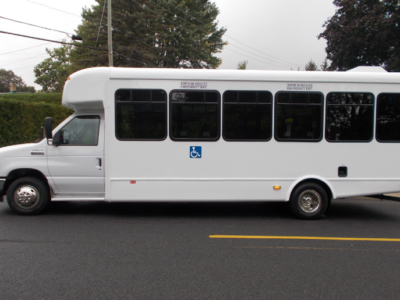

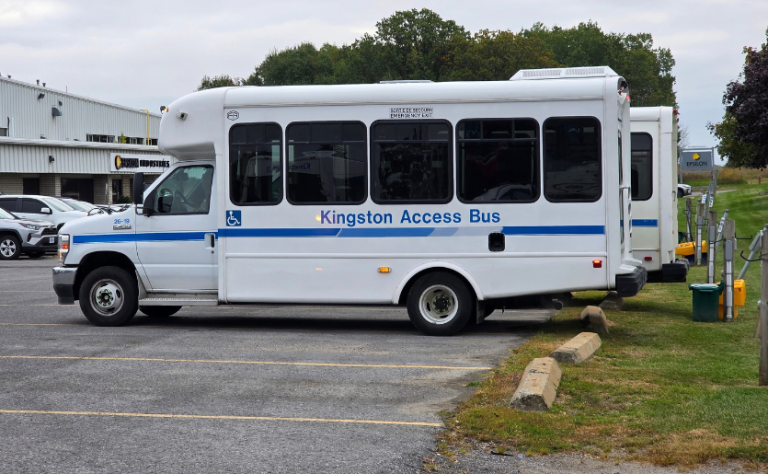
For nearly six decades, Kingston Access Bus Services has helped people in Kingston, Ontario, stay connected to their community through accessible transportation. Executive Director Bryan Basford shares how that commitment continues to shape the organization, the passengers it serves and its response to their changing transportation needs.
Bryan shared that Kingston Access traces its roots back to 1967, when a group of volunteer firefighters recognized a need for accessible transportation in their community. They raised the funds to purchase an old school bus, equipped it with a commercial wheelchair lift and began providing transportation to people in the Kingston area.
Nearly 60 years later, that commitment continues. Kingston Access now has more than 8,800 registered passengers and provides approximately 325 to 450 trips each day, connecting people with work, school, medical appointments, social activities and the places that are part of everyday life.
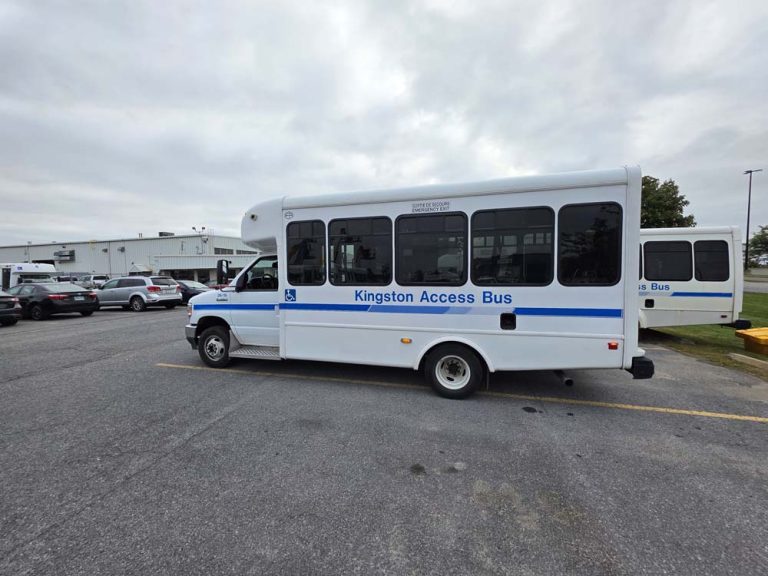
For Crestline, Bryan’s story feels especially meaningful. Buses have been part of our own history for more than 50 years, and supporting the communities they serve, large and small, remains at the heart of what we do. The vehicles may have changed considerably over the decades, but the reason behind them has not: helping people stay connected to their communities and to the moments that matter.
Accessible transportation is about independence
For the thousands of passengers who rely on Kingston Access, transportation is about much more than getting from one place to another. It supports their independence and connects them to the services, activities and people that matter to them. As Bryan explained, Kingston Access combines regularly scheduled trips, such as transportation to dialysis, work and school, with trips to appointments, stores, restaurants and other destinations throughout the community.
Meeting those needs requires an extensive operation. At peak times, Kingston Access has approximately 25 to 28 vehicles on the road, with service beginning as early as 6 a.m. and continuing until after midnight. For passengers who may not be able to use conventional transit, having access to dependable transportation can mean greater independence and the ability to stay connected to their community.
But accessibility is also evolving. Bryan spoke about the industry’s growing awareness of the different ways passengers experience a vehicle, including sensitivity to noise, lighting, colours and visual stimulation. He pointed to emerging approaches that use quieter materials and calmer interiors to create a more comfortable environment for passengers with sensory sensitivities. For him, recognizing those changing needs is part of the industry’s responsibility to continue improving accessible transportation.
Finding the right bus for the community
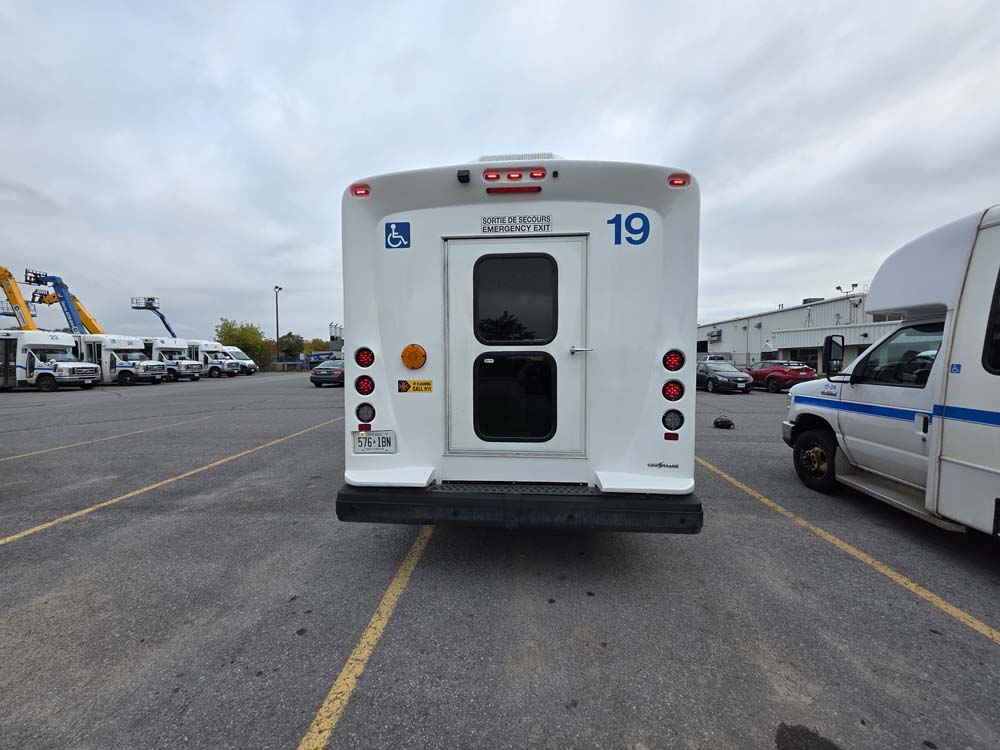
As the needs of passengers change, so do the needs of the fleet that serves them. For Bryan, that means moving away from a one-size-fits-all approach and looking instead at which vehicle is best suited to each type of service.
Over the next several years, Kingston Access plans to explore a mix of vehicle types and configurations, including different vehicle sizes and both high-floor and low-floor options. The goal is to better match each vehicle to the trips it will make, the passengers it will carry and the realities of operating a specialized transit service. As Bryan put it, he is a firm believer in finding “the vehicles to fit the need.”
That same thinking influenced Kingston Access’s three recently delivered Crestline buses. The organization used the opportunity to explore different interior choices, including seating fabrics, flooring and lighting. While these details may seem small compared with the larger components of a bus, passengers noticed the difference. Bryan shared that the new interiors felt more open and inviting, with passengers appreciating both the new vehicles and the investment being made in their experience.
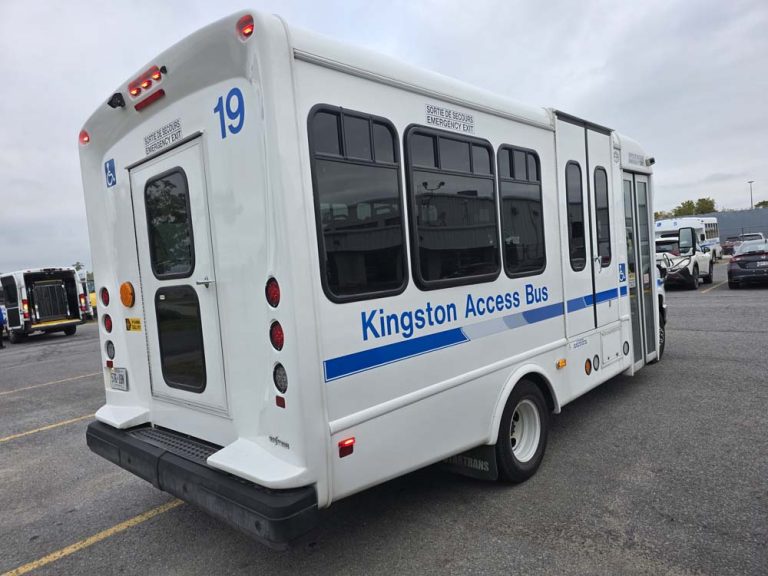
Those choices also reflect a broader lesson Bryan has learned throughout his career in transit: accessibility is not defined by a single feature. It is about understanding the people using the service and continuing to adapt the fleet around their needs. For Kingston Access, that means trying new approaches, listening to passenger feedback and learning what works best for the community it serves.
The relationship continues after delivery
Choosing the right vehicle is only part of keeping an accessible transit service moving. For Bryan, what happens after a bus enters service is just as important. In fact, when discussing what influences his purchasing decisions, he was clear that “the biggest driving factor for a purchase is always service after the sale.”
For an organization providing hundreds of passenger trips each day, responsiveness, communication and access to parts can have a direct impact on service. Bryan explained that realistic timelines are particularly important. If a part is going to take several weeks to arrive, knowing that upfront allows his team to plan around it and determine whether a vehicle can remain safely in service or needs to be taken off the road.
That commitment becomes especially important when things do not go according to plan. Bryan spoke openly about some challenges with Kingston Access’s recent vehicle deliveries. What stood out to him was Crestline’s willingness to acknowledge the issues, work toward solutions and improve specifications for future orders. He explained that mistakes can happen, but having a partner willing to take ownership and help make things right makes a difference.
It is a philosophy that closely reflects how Crestline approaches long-term customer support. Delivering the bus is one moment in a vehicle’s life. Supporting it through service, parts, maintenance needs and the unexpected challenges that come with years on the road is what helps keep that vehicle where it belongs: in service, supporting the community that depends on it.
For Kingston Access, every decision about vehicles, passenger comfort and ongoing support comes back to the people who rely on its service. Nearly 60 years after its first bus took to the road, that commitment continues: helping passengers maintain their independence and stay connected to everyday life in Kingston.