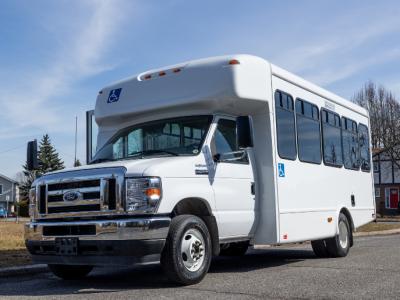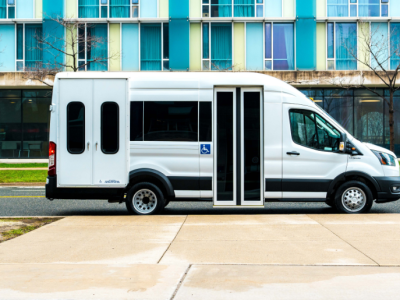

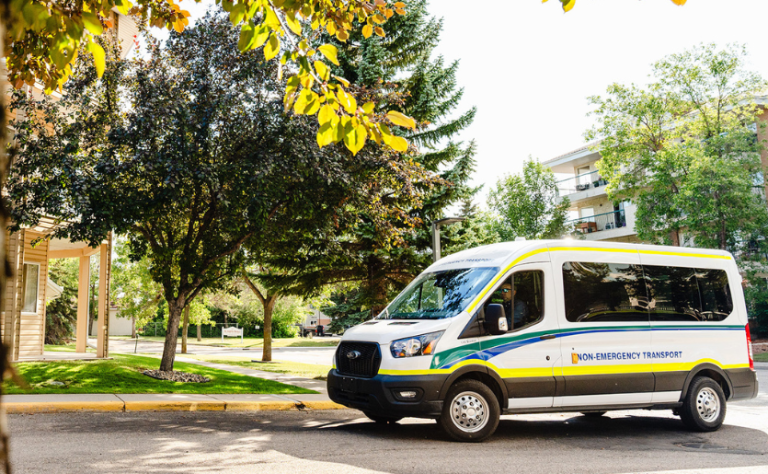
It goes without saying, but the realities of living in a remote community are very different from those in a busy city. Distances are longer, weather can change quickly, and access to services depends on what’s available that day, not what’s closest on a map. When it comes to medical care, transportation has to work around the realities of the community, not force the community to work around the vehicle. Dialysis, cancer treatment, specialist visits, and follow-up appointments all rely on transportation that shows up consistently, safely, and on time, not only in emergencies.
So, when selecting which vehicle to add to your fleet, a patient transfer van is a great alternative for transporting patients to routine appointments. It’s one vehicle built for one mission, specific to your needs, with just the right level of equipment required, no more and no less. It also helps communities get people to care safely without pulling limited emergency services away from urgent calls.
How patient transfer vans are funded and managed in remote communities
In remote communities in Ontario and Saskatchewan, funding for medical travel plays a key role in planning non-emergency transport solutions. At the federal level, Indigenous Services Canada’s Non-Insured Health Benefits (NIHB) program helps eligible First Nations and Inuit clients access medically necessary care that is not available locally, including coverage for coordinated ground transportation. Provincially, communities often work with Ontario Health, local hospitals, and regional health authorities, or with the Saskatchewan Health Authority, which oversees health service delivery across the province.

At the local level, patient transfer services may be arranged through community health centres, nursing stations, band councils, tribal councils, or contracted non-emergency transport providers. Together, these funding sources and service arrangements allow communities to plan predictable, scheduled medical travel and justify investment in patient transfer vans that align with actual usage, budget constraints, and long-term fleet planning.
By adding a patient transfer van to the fleet, communities can turn existing medical travel funding and partnerships into a practical, long-term solution that improves access to care, reduces operating costs, and protects limited emergency resources.
Supporting access to care without pulling emergency resources
Picture this. A 70-year-old woman living in a remote Indigenous community in Ontario needs to get to the hospital for a routine blood test. It’s not an emergency, but it’s still important. There’s no public transit, family may not be available, and options for getting there are limited. The appointment still has to happen.
In many rural communities, there may be only one ambulance serving the entire area. When that ambulance is used for a scheduled, non-urgent trip, the community can be left without emergency coverage for hours at a time.
Patient transfer vans offer another option. They allow routine medical travel to happen without relying on 911 or waiting for a provincial ambulance to become available. This helps keep emergency vehicles in the community, where they are needed most, while still getting patients to their appointments on time.
Built specifically for non-emergency transport
Non-emergency trips do not need the same level of equipment or complexity as an emergency response. Using a Type II ambulance for routine travel increases maintenance demands and operating costs without necessarily improving care for medically stable patients.
On the other hand, patient transfer vans are built specifically for this role. They include the right safety features such as wheelchair access, securement systems, oxygen, and space for personal items or a support person when needed.
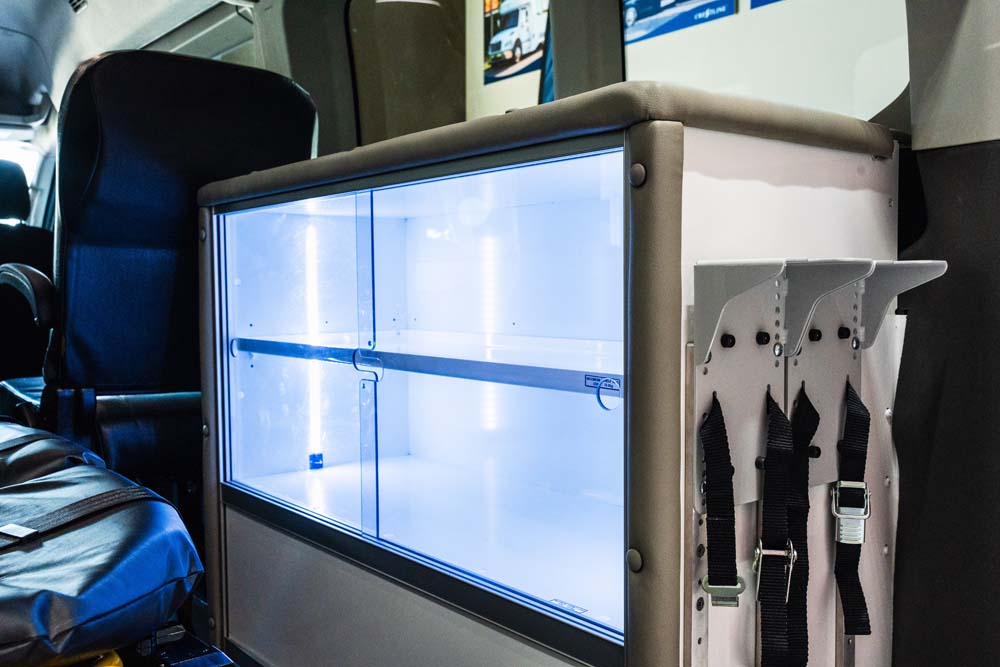
The interior is quieter and less clinical than an ambulance, which can make longer trips more comfortable. A calmer setting also helps support care designed to reduce stress and anxiety, especially for people who travel often. As a result, incorporating a patient transfer van is a strategic approach that offers the community more flexibility. Emergency services remain focused on urgent response, while non-urgent medical travel becomes more predictable and less stressful for patients and families.
In remote communities, getting to a routine medical appointment can involve long travel times, limited scheduling options, and very few transportation choices. That’s why access to reliable, non-emergency transport for medically stable patients is essential. When everyday care is delayed, small issues can escalate. Missed appointments can lead to worsening conditions, and preventable concerns can turn into urgent situations.
Planning ahead matters. Including a patient transfer van in your next fleet renewal helps ensure communities have a vehicle with the right level of equipment to safely transport patients without overwhelming them. It provides a practical way to get people where they need to go, on time, while keeping emergency services available for true emergencies.
Find out how a patient transfer van can support your community.