
A few minutes of maintenance can prevent hours of downtime.
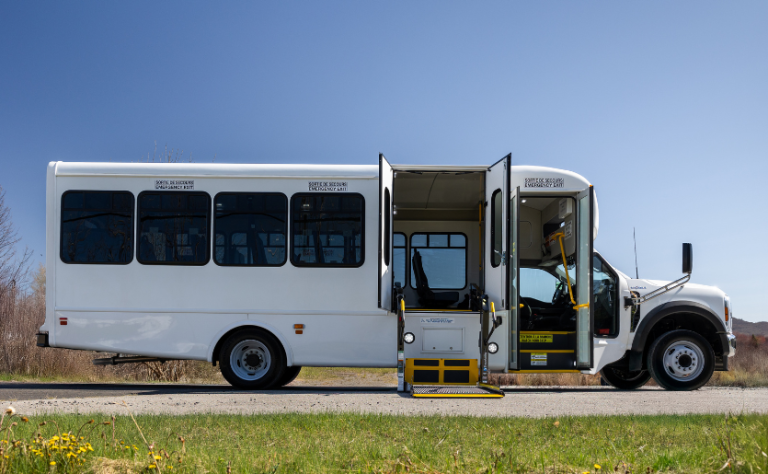
As summer travel increases, wheelchair lifts work harder to support passengers traveling to appointments, events, and recreational activities. Regular inspections help ensure accessibility equipment remains safe, reliable, and ready for every trip.
Regular maintenance of wheelchair lifts and is not only important for equipment longevity, it is essential for passenger safety, operational reliability, and compliance with accessibility standards.
Why wheelchair lift maintenance matters in summer
A wheelchair lift is one of the most important accessibility features on a bus or accessible vehicle. When functioning properly, it provides passengers with safe, independent access. However, like any mechanical system, lifts experience wear over time. Without routine inspections and maintenance, small issues can quickly develop into larger problems that may result in equipment failure, vehicle downtime, costly repairs, or service disruptions.
During the summer, increased passenger activity often means accessibility equipment is operating more frequently, making preventive maintenance even more important.
Daily inspections and routine service checks
The first step in maintaining reliable operation is conducting daily visual inspections.
Operators and maintenance personnel should look for:
- Signs of wear or damage
- Loose or missing components
- Unusual movement during operation
- Any visible abnormalities that could affect performance
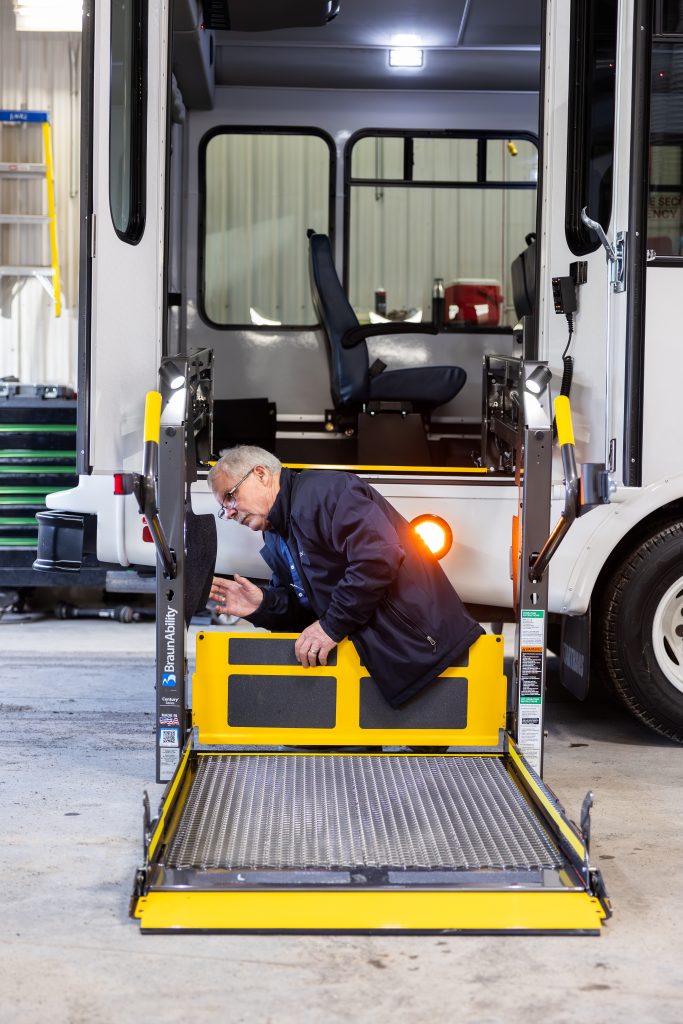
If anything appears unusual, the lift should be removed from service until it can be properly inspected and repaired.
Addressing potential issues early helps prevent larger failures and ensures passenger safety.
Each lift is equipped with a cycle counter designed to help maintenance teams track usage and schedule service at the appropriate intervals.
For wheelchair lifts, the cycle counter is typically located on top of the pump unit beside the lift pillar.
At every 750 cycles, maintenance should include:
• Thoroughly cleaning the lift
• Applying light oil to hinges and drive arm pivots
• Inspecting for loose hardware
• Checking for worn or damaged components
• Verifying all moving parts operate freely
Proper lubrication and cleaning help reduce friction, prevent premature wear, and extend the life of critical components.
Follow Your Maintenance Schedule for Safe, Reliable Operation
Maintenance should also include running the lift through a complete operating cycle. Verify that the lift deploys smoothly, retracts properly, and operates without hesitation. Any unusual noises, vibrations, or irregular movement should be investigated immediately.
To maximize reliability and safety, maintenance should be performed according to the manufacturer’s recommended service intervals, including Bronze-level maintenance inspections at 750, 1,500, and 4,500 cycles.
Following a structured maintenance schedule helps:
- Reduce unexpected breakdowns
- Improve equipment performance
- Extend service life
- Minimize vehicle downtime
- Ensure passengers receive dependable accessible transportation
Wheelchair lifts are more than mechanical systems, they are essential tools that provide mobility, independence, and equal access for passengers. Through daily inspections, regular cleaning and lubrication, cycle-based servicing, and operational testing, transit operators can keep their accessibility equipment performing at its best throughout the busy summer season.
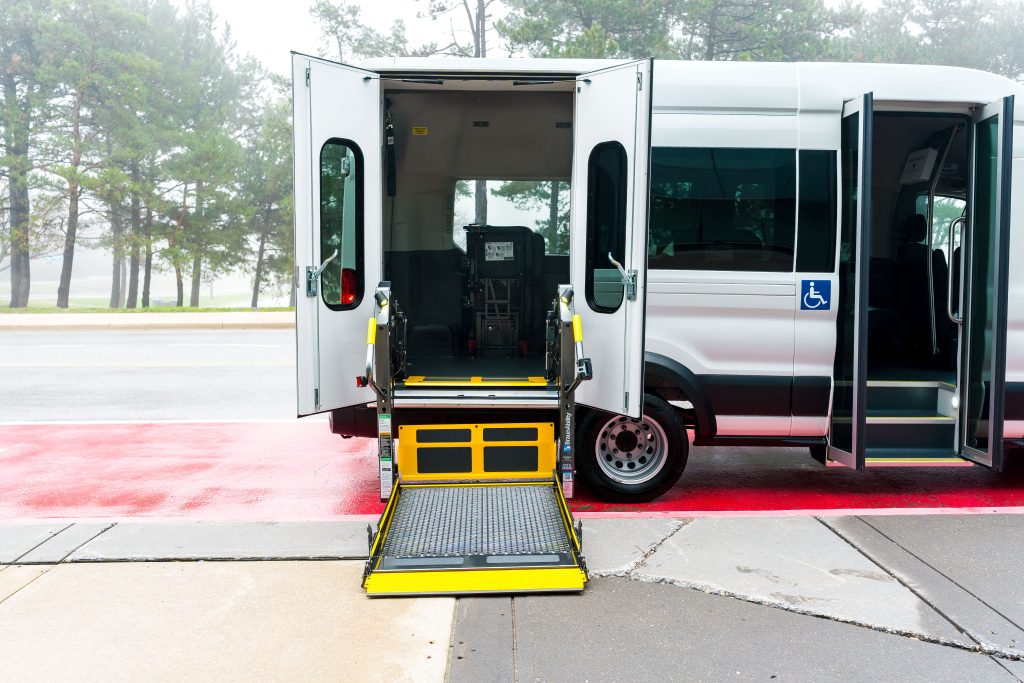
A well-maintained lift not only protects your investment, it helps ensure every passenger can travel with confidence.