
Summer isn’t over yet, but the busy fall season is already around the corner. For healthcare facilities, public transit services, and shuttle operators, now is the time to make sure every vehicle is ready for what’s ahead. As travel increases, fleet reliability becomes more important than ever. Taking the time to inspect your vehicles before schedules become busier can help prevent unexpected breakdowns, minimize downtime, and keep passengers moving safely.
1. Accessibility equipment
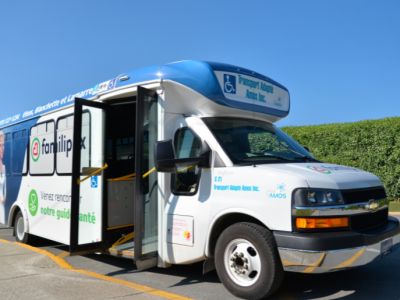
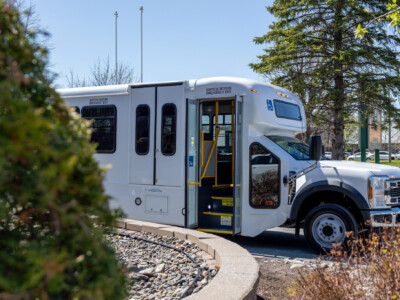
If your fleet includes wheelchair lifts or ramps, now is the time to inspect and service them before colder weather hits. These checks will ensure that they are operating safely and reliably so there are no unexpected breakdowns down the road.
Make sure to inspect:
- Wheelchair lifts and ramps
- Securement systems
- Handrails
- Door operation
- Warning lights and safety interlocks
2. Tires, brakes, and suspension
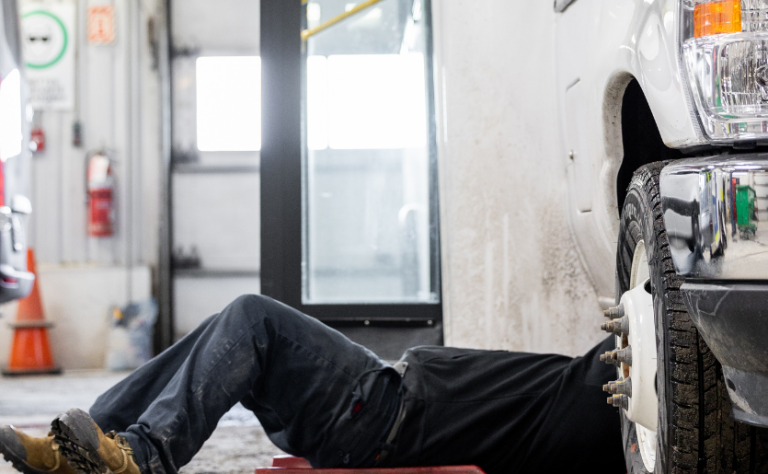
It’s no secret that tires, brakes, and suspension are some of the hardest-working components on any shuttle bus. Between frequent stops, changing road conditions, and Canada’s four distinct seasons, these systems take a beating throughout the year.
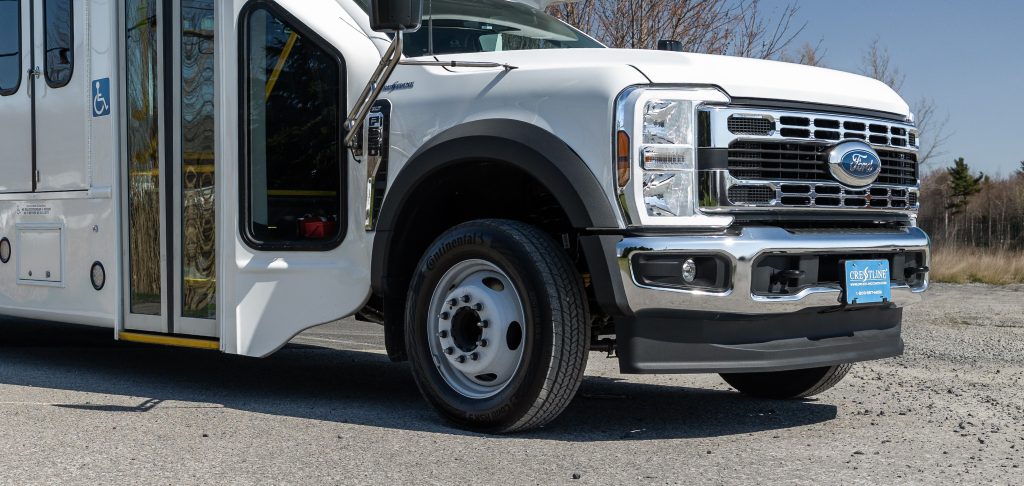
Making sure they’re in good condition before the busy fall season can help improve safety, reduce unexpected downtime, and keep your fleet operating reliably.
3. Heating and air conditioning
Comfort matters, even on shorter trips.
As temperatures begin to fluctuate heading into the fall, make sure heating and air conditioning systems are operating properly. A comfortable vehicle creates a better experience for both passengers and drivers while helping reduce service interruptions caused by unexpected HVAC issues.
4. Fluids, batteries, and electrical systems
Some of the most expensive repairs start with the smallest maintenance items. A low fluid level, a weak battery, or a worn belt may seem minor, but left unchecked, they can lead to unexpected breakdowns, costly repairs, and vehicles sitting in the shop when they’re needed on the road.
A thorough inspection should include:
- Engine oil: Check levels and replace oil if it’s due to help protect the engine from unnecessary wear.
- Coolant: Verify coolant levels and inspect for leaks to prevent overheating during daily operation.
- Transmission fluid: Ensure fluid is clean and at the proper level to maintain smooth shifting and reduce drivetrain wear.
- Battery condition: Test battery health and inspect terminals for corrosion before colder temperatures affect starting performance.
- Belts and hoses: Look for cracks, leaks, or signs of wear that could lead to roadside failures.
- Interior and exterior lighting: Confirm that headlights, brake lights, turn signals, interior lights, and destination or safety lighting are all functioning properly to improve visibility and help keep passengers and drivers safe.
Keep your fleet moving with confidence
When it comes to transporting passengers, there’s no such thing as being overprepared. Taking a proactive approach to maintenance now can help prevent unexpected problems when your fleet is at its busiest.

Addressing maintenance needs early allows technicians to identify and resolve potential issues before they lead to unexpected downtime, helping keep your vehicles on the road when they’re needed most.
Whether you operate community transit, healthcare transportation, airport shuttles, employee transportation, or shuttle services, Crestline’s Parts and Service team is here to help keep your fleet operating at its best throughout the year.
Ready to prepare your fleet for the busy season? Contact our Parts and Service team today to schedule your preventive maintenance appointment.