Wheelchair accessible vehicles in Canada: Your guide to mobility, comfort, and choice
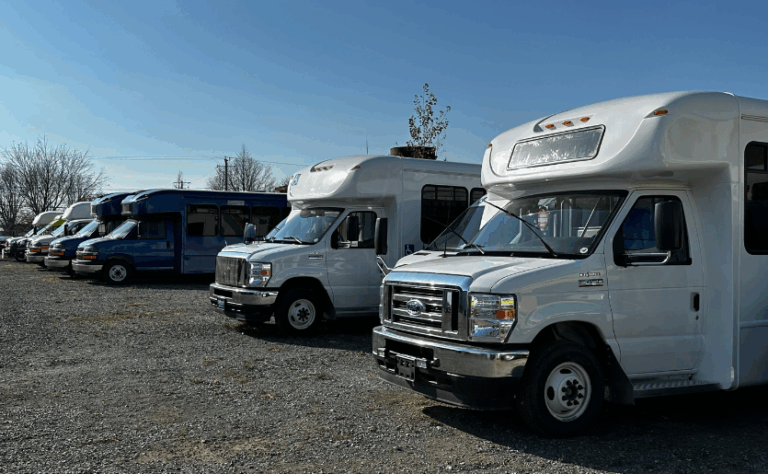
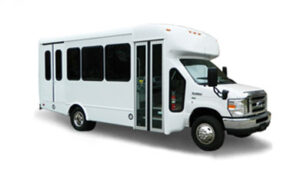
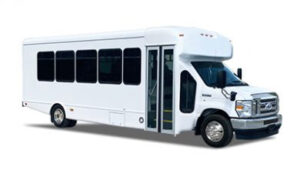
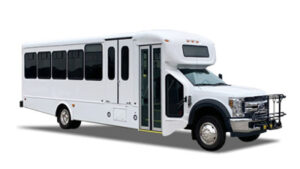
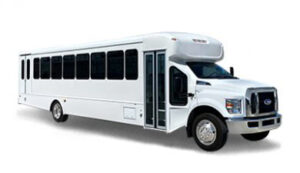
Not all wheelchair accessible vehicles are created equal, and the wrong choice can cost you more than money. Whether you’re a healthcare provider, community service, or transportation company, accessibility, safety, and reliability are top priorities. At Crestline Buses, we offer a full lineup of vehicles designed to make mobility effortless and inclusive, from wheelchair accessible vans to low-floor and high-floor buses, including electric models and patient transfer vans.
Why choose a wheelchair accessible vehicle?
A wheelchair accessible vehicle is more than just transportation; it’s about independence and dignity for passengers and ease of use for drivers and caregivers. Designed with ramps, lifts, securement systems, and spacious interiors, these vehicles provide smooth boarding and safe travel for individuals with mobility challenges.
At Crestline, every model is designed for: Accessibility: Easy entry and exit through ramps or lifts. Comfort: Ergonomic seating, wide aisles, and smooth suspension. Safety: Certified restraint systems and crash-tested floor anchoring. Durability: Built with commercial-grade materials and expert craftsmanship. Canadian compliance: Meeting or exceeding Transport Canada and provincial standards.
Our wheelchair accessible vehicle lineup
Low-floor buses
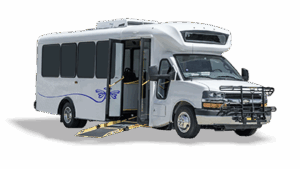
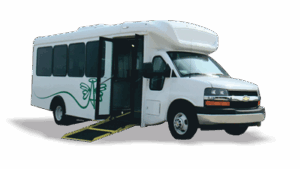
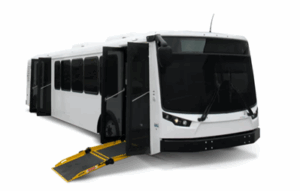
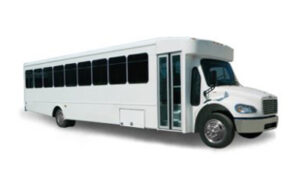
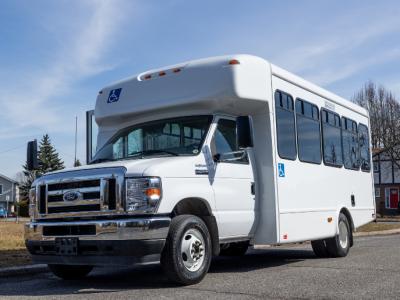
Designed for easy accessibility, low-floor buses make boarding simple for every passenger. With ramp entry and no steps, they ensure quick, safe, and inclusive access for riders with wheelchairs, strollers, or mobility aids. The open interior and larger windows create a bright, comfortable experience while minimizing stop times and maintenance.
Best for: Urban transit, community shuttles, and accessible public transportation.
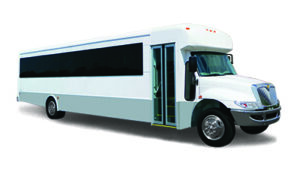
Built for longer routes or rural areas, high-floor buses offer greater seating capacity, higher ride comfort, and excellent visibility. Their elevated chassis handles Canadian winters with ease, providing better traction and protection from snow and ice. Durable and cost-effective, they remain a trusted choice for heavy-duty service.
Best for: Long-distance routes, healthcare transport, and charter fleets.
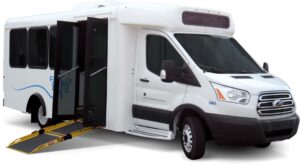
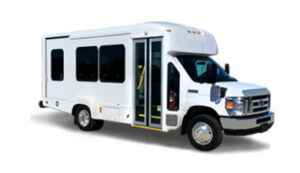
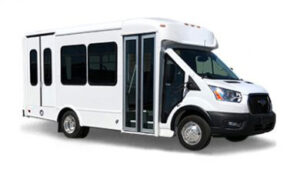
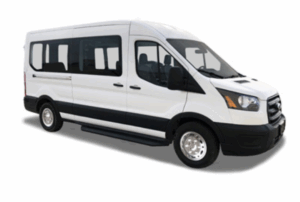
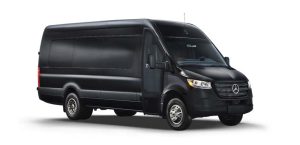
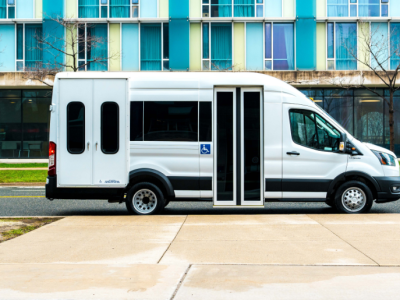
Compact, manoeuvrable, and fuel-efficient, Crestline’s wheelchair accessible vans provide a perfect balance between versatility and comfort. Available with side or rear-entry configurations, these vehicles are ideal for smaller fleets or organizations needing a cost-effective accessible option.
Best for: Medical transport services, small community groups, or private use.
Electric wheelchair accessible vans
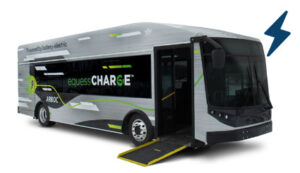
Our electric vans deliver the same accessibility and comfort with the added benefits of zero emissions, quiet operation, and lower operating costs. Perfect for fleets looking to reduce their environmental footprint without compromising performance.
Best for: Eco-conscious operators, municipalities, and healthcare networks.
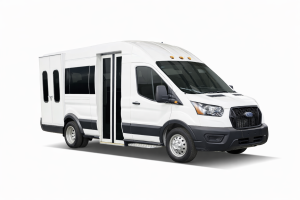
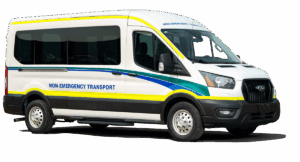
Unlike retrofitted ambulances, our patient transfer vans are purpose-built to safely and comfortably move non-emergency patients. Each vehicle is designed for easy loading, safe stretcher securement, and a smooth ride.
Best for: Hospitals, long-term care facilities, and private transport companies.
Comparing wheelchair accessible vans: gas vs. electric
Feature
Gas
Electric
Fuel Type
Gasoline or Diesel
100% Electric
Operating Cost
Higher fuel and maintenance costs
Lower cost per kilometre
Environmental Impact
Produces CO₂ and emissions
Zero emissions, eco-friendly
Noise Level
Louder cabin and engine vibration
Quieter, smoother ride
Range
Up to 600 km depending on model
Typically 200–300 km, depending on conditions
Maintenance
Regular oil and engine service required
Minimal maintenance – no oil or transmission fluids
How to choose the right wheelchair accessible vehicle in Canada
When selecting the right vehicle, consider:
Usage type: Daily community transit, patient transfer, or specialized transport. Passenger capacity: Number of wheelchair positions needed. Accessibility system: Ramp or lift, side or rear entry. Power source: Traditional gas/diesel vs. electric for lower lifetime costs. Budget and incentives: Explore Canadian EV rebates and provincial funding for accessible vehicles.
Crestline offers low-floor and high-floor buses, wheelchair accessible vans, electric vans, and patient transfer vehicles, all designed for safety and comfort.
Yes. Canadian provinces and territories offer funding and EV incentives to support accessibility fleet purchases and conversions.
Whether you’re building a community shuttle service, expanding your healthcare transport fleet, or upgrading to electric mobility, Crestline’s wheelchair accessible vehicles deliver reliability, safety, and comfort across Canada. Explore our wheelchair accessible vans, low-floor buses, high-floor buses, electric vans, and patient transfer vehicles today and find the perfect mobility solution for your passengers.
We use cookies on our website to give you the most relevant experience by remembering your preferences and repeat visits. By clicking “Accept”, you consent to the use of ALL the cookies. However you may visit Cookie Settings to provide a controlled consent.
Manage consent
Privacy Overview
This website uses cookies to improve your experience while you navigate through the website. Out of these cookies, the cookies that are categorized as necessary are stored on your browser as they are essential for the working of basic functionalities of the website. We also use third-party cookies that help us analyze and understand how you use this website. These cookies will be stored in your browser only with your consent. You also have the option to opt-out of these cookies. But opting out of some of these cookies may have an effect on your browsing experience.
Necessary cookies are absolutely essential for the website to function properly. These cookies ensure basic functionalities and security features of the website, anonymously.
Cookie
Duration
Description
cookielawinfo-checkbox-analytics
11 months
This cookie is set by GDPR Cookie Consent plugin. The cookie is used to store the user consent for the cookies in the category "Analytics".
cookielawinfo-checkbox-functional
11 months
The cookie is set by GDPR cookie consent to record the user consent for the cookies in the category "Functional".
cookielawinfo-checkbox-necessary
11 months
This cookie is set by GDPR Cookie Consent plugin. The cookies is used to store the user consent for the cookies in the category "Necessary".
cookielawinfo-checkbox-others
11 months
This cookie is set by GDPR Cookie Consent plugin. The cookie is used to store the user consent for the cookies in the category "Other.
cookielawinfo-checkbox-performance
11 months
This cookie is set by GDPR Cookie Consent plugin. The cookie is used to store the user consent for the cookies in the category "Performance".
viewed_cookie_policy
11 months
The cookie is set by the GDPR Cookie Consent plugin and is used to store whether or not user has consented to the use of cookies. It does not store any personal data.
Functional cookies help to perform certain functionalities like sharing the content of the website on social media platforms, collect feedbacks, and other third-party features.
Performance cookies are used to understand and analyze the key performance indexes of the website which helps in delivering a better user experience for the visitors.
Analytical cookies are used to understand how visitors interact with the website. These cookies help provide information on metrics the number of visitors, bounce rate, traffic source, etc.
Advertisement cookies are used to provide visitors with relevant ads and marketing campaigns. These cookies track visitors across websites and collect information to provide customized ads.